Buscar

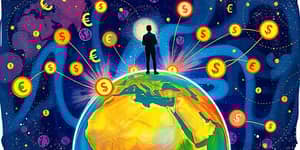
Welcome to the thrilling realm of Forex, where the world's currencies dance in a global marketplace. The foreign exchange market (Forex) is your gateway to financial empowerment, offering endless possibilities for those ready to learn.
As a beginner, the idea of trading currencies might seem intimidating, but with knowledge, you can unlock its potential. It's the largest financial market globally, with daily volumes surpassing $6 trillion, making it incredibly liquid and accessible.
Understanding currency pairs like EUR/USD is your first step towards mastery. This guide will walk you through everything, from basic concepts to actionable strategies, inspiring you to start your journey with confidence.
Forex, short for foreign exchange, is a decentralized market where currencies are bought, sold, and traded. Unlike traditional stock exchanges, it operates 24 hours a day, five days a week, across different time zones worldwide.
This non-stop activity allows traders to react to economic news and events in real-time. Forex enables speculation on currency value fluctuations, providing a platform for profit through strategic decisions.
Participants range from individual investors to large banks and corporations. By engaging in Forex, you become part of a dynamic ecosystem that drives global finance.
Grasping these basics helps you see how Forex integrates into everyday economic activities, from travel to international business.
Forex functions via an electronic network connecting traders globally. When you place a trade, you're essentially predicting the movement of one currency against another.
Key components include bid and ask prices. The bid price is for selling a currency, while the ask price is for buying it, with the spread representing the cost of trading.
For instance, if the EUR/USD rate is 1.10, it means 1 euro equals 1.10 US dollars. Traders aim to capitalize on these movements by buying low and selling high.
Market liquidity is high, ensuring you can enter and exit trades quickly. This efficiency makes Forex appealing for both short-term and long-term strategies.
In Forex, you can take long or short positions on currency pairs. Going long means buying the base currency, expecting it to appreciate against the quote currency.
Conversely, going short involves selling the base currency, anticipating a decline. Price movements indicate strength or weakness, guiding your trading decisions.
This straightforward logic forms the backbone of many trading approaches, helping you navigate market volatility with clarity.
Always remember that risk management is essential to protect your capital. By setting clear rules, you can trade more confidently and sustainably.
Spot Forex refers to the immediate exchange of currencies at the current market price. It's the most common form of trading, favored by beginners and experts alike for its simplicity.
With spot trading, you execute transactions in real-time, taking advantage of momentary price changes. Spot Forex involves actual currency deals, often facilitated through contracts for difference (CFDs).
For example, buying British pounds with euros and later selling them for a profit illustrates how spot trading can generate returns. This hands-on approach allows you to engage directly with market movements.
Leverage is a powerful feature in Forex, allowing you to control large positions with a small initial deposit. It can magnify profits, but also losses, so it must be used cautiously.
Volatility means prices can shift rapidly, creating opportunities for quick gains or risks. Leverage can amplify gains, yet it demands disciplined risk management to avoid pitfalls.
Consider this example: with a $500 deposit and leverage, a minor price change might result in a 40% loss, underscoring the importance of starting small.
Volatility is a key feature that attracts traders seeking dynamic markets. By understanding it, you can tailor your strategies to capitalize on fluctuations while safeguarding your investments.
Forex plays a vital role in the global economy by facilitating international trade and investment. It sets exchange rates for currency pairs, enabling seamless transactions across borders.
Additionally, it allows for hedging against currency risk, protecting businesses from adverse rate movements. Forex funds global commerce, making it indispensable for economic stability and growth.
By performing these functions, Forex ensures that money moves efficiently worldwide, powering everything from tourism to multinational corporations.
Beginning your Forex journey requires careful planning and education. Start by immersing yourself in learning resources to build a solid foundation of knowledge.
Next, select a reputable broker that offers reliable platforms and customer support. Open a demo account first to practice without financial risk, gaining hands-on experience in a simulated environment.
After setting up your account, develop a comprehensive trading plan. This should include clear entry and exit strategies, along with risk management protocols to guide your decisions.
Study the market thoroughly to understand technical and fundamental analysis. By staying informed, you can make smarter trades and adapt to changing conditions.
Remember, consistency and patience are crucial for long-term success. Forex trading is a marathon, not a sprint, so focus on steady progress rather than quick wins.
Forex trading offers an exciting path to financial independence, but it demands dedication and continuous learning. By mastering the fundamentals, you can navigate this complex market with assurance.
Start small, use leverage wisely, and always prioritize risk management. With the right mindset and tools, you can transform Forex into a rewarding part of your financial future, embracing the journey with enthusiasm and resilience.
Referencias